Rivalries
Sir Alex Ferguson Remembers His Greatest Rival: The Enduring Legacy of Kevin Keegan
Following the passing of Kevin Keegan at age 75, Sir Alex Ferguson reflects on the fierce battles and the genuine, lasting friendship that emerged from one of football's most intense managerial rivalries.
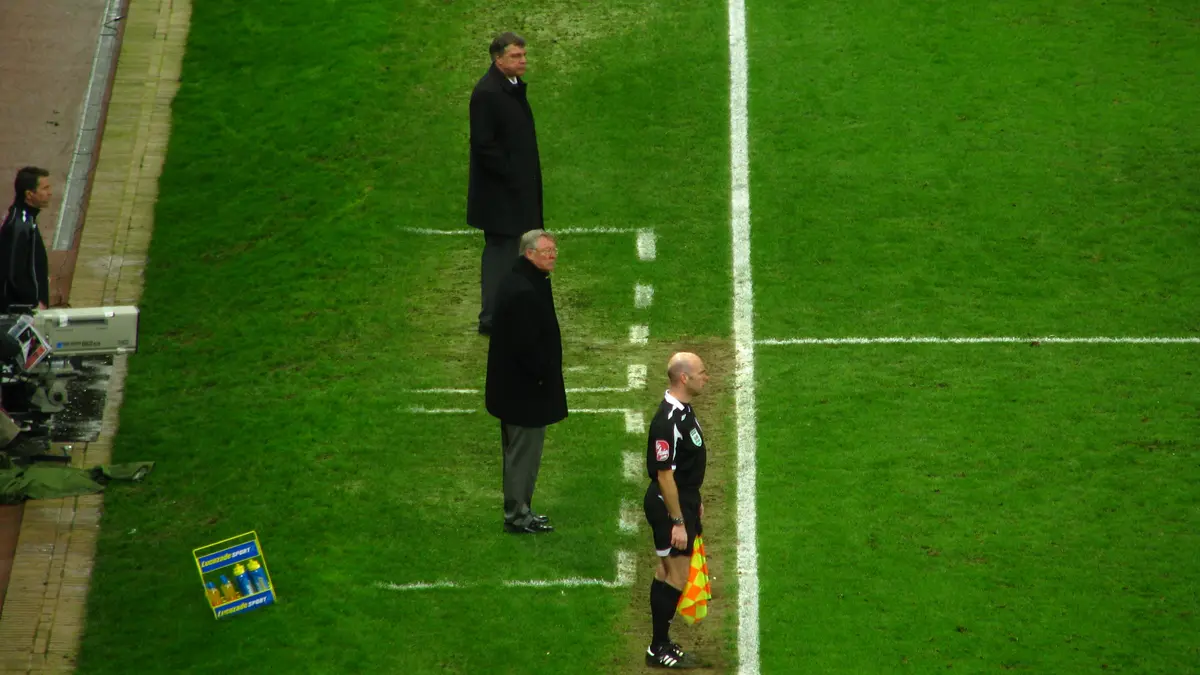
The football world is currently in a state of deep mourning following the announcement that Kevin Keegan has died at the age of 75 after a battle with cancer. Keegan, a titan of the sport who left an indelible mark as a player and a manager at clubs including Liverpool, Newcastle United, and Hamburger SV, has been remembered by a chorus of voices from across the game. Among the most poignant and significant tributes is that of Sir Alex Ferguson, the legendary former Manchester United manager who stood as Keegan’s greatest adversary during the mid-1990s. Despite a history of high-stakes tension and a fierce battle for Premier League supremacy, Ferguson has spoken with immense warmth about the man who pushed his Manchester United side to the absolute limit.
A Legacy of Rebuilding and Passion at St James’ Park
When Kevin Keegan first arrived at St James’ Park in 1992, the club was in a dire situation, facing the genuine and terrifying threat of relegation to the third tier of English football. Keegan’s impact was immediate, transformative, and nothing short of miraculous. He successfully saved the club from the drop and subsequently secured promotion to the Premier League in 1993. Under his visionary guidance, Newcastle United became synonymous with an attacking, high-octane style of play that earned them the iconic moniker 'the entertainers.' Ferguson, reflecting on this era in an interview with Track Radio, credited Keegan with completely re-energizing the entire Tyneside club. 'He re-energised that club and he brought that enthusiasm and fanaticism that great supporters can give,' Ferguson noted, emphasizing that the job Keegan did was truly fantastic.
- Keegan’s Age at Passing
- 75
- Promotion Year
- 1993
- Premier League Runners-up
- 1996
- Key Signings Mentioned
- Ginola, Asprilla, Albert
The transformation was not merely tactical; it was cultural. Keegan brought in marquee talents such as David Ginola, Faustino Asprilla, and Philippe Albert, adding a layer of class to the squad that Ferguson admits created 'huge' challenges for Manchester United during their pursuit of domestic dominance. Ferguson observed that Keegan 'carried the love of the game on his sleeve, there’s no question about that, and that carried right on to the fans, to the players.' This emotional connection, Ferguson believes, was the catalyst for what he considers to be the best team in the history of Newcastle United.
The Intensity of the 1996 Title Race
The rivalry between the two managers reached its absolute zenith during the 1995-96 Premier League season. Newcastle famously held a 12-point lead at one stage, only to see it evaporate as Ferguson’s Manchester United mounted a relentless and disciplined charge. The immense pressure of that campaign famously boiled over in April 1996, when Keegan delivered a legendary, televised outburst, declaring, 'I will love it if we beat them.' This moment remains etched in football folklore as a symbol of the raw, unfiltered passion that defined that era of the Premier League.
Ferguson acknowledges that the media environment at the time fueled the fire, noting that Keegan was frustrated by his own comments in the media toward the end of the tense title fight. However, Ferguson maintains that the friction never eroded his underlying admiration for Keegan’s work. He believes that the Newcastle side Keegan built during that era remains the best in the club’s history, defined by the raw emotion and excitement that Keegan himself embodied. The challenges Ferguson faced against that specific Newcastle iteration were, in his own words, 'huge.'
Beyond the Pitch: A Friendship Forged in Respect
While the public narrative of their rivalry was often defined by the 'I'd love it' rant, the reality of their relationship was far more nuanced and grounded in mutual respect. Ferguson revealed that the two men actually crossed paths in a pub in Surrey shortly after the 1996 season concluded. Far from harboring lingering animosity, the two managers spent the evening together around a piano. 'The great thing about him, he held no grudges,' Ferguson said. 'That was a fantastic quality he had and we had a great night.' This ability to separate the intensity of professional competition from personal character is perhaps the most enduring aspect of their dynamic. It serves as a testament to the mutual respect that existed between two of the most significant figures in English football history.
A Lasting Impact on the Game and Future Tributes
The outpouring of grief from the wider football community reflects the immense scale of Keegan’s influence. Former Newcastle striker Alan Shearer, who idolized Keegan from the Gallowgate terraces at St James' Park as a child before later joining the Magpies to play for his hero, offered a touching tribute: 'My Hero. My Manager. My friend. Sleep easy Boss.' Similarly, former teammate Shay Given described him as an 'incredible human being,' noting that it is hard to put into words what the man meant to him. Liverpool, where Keegan won three First Division titles, the European Cup, the FA Cup, and two UEFA Cups, stated that his 'indomitable spirit and remarkable contribution will be forever etched in our history.'
Honoring a Footballing Icon
As Newcastle United considers how to shape a lasting tribute to his life, the club has described Keegan as 'more than a legendary footballer and manager' and 'the beating heart of Newcastle United for generations of supporters.' The club is currently carefully considering how to best honor his remarkable life and legacy. Ferguson’s salute to Keegan—not just as a manager who built a 'fantastic' team, but as a man who carried the love of the game on his sleeve—highlights why the rivalry between the two men remains one of the most storied chapters in English football. Whether it was his time at Hamburger SV, where he won a Bundesliga and two European Player of the Year awards, or his time leading Newcastle, Keegan’s legacy is secure as one of the most endearing characters the sport has ever known.
Frequently asked questions
How did Sir Alex Ferguson describe Kevin Keegan's impact on Newcastle?
Ferguson stated that Keegan 're-energised' the club, brought immense enthusiasm and fanaticism, and built what he considers to be the best team in Newcastle's history.
What was the famous 'I'd love it' rant about?
The outburst occurred in April 1996 during a television interview, reflecting the high-pressure title race between Newcastle and Manchester United, which United eventually won.
Did Ferguson and Keegan have a personal relationship outside of football?
Yes, Ferguson revealed that the two once spent an evening together around a piano in a pub in Surrey shortly after the 1996 season ended, noting that Keegan held no grudges.
Which players did Ferguson specifically credit for adding class to Keegan's Newcastle?
Ferguson highlighted David Ginola, Faustino Asprilla, and Philippe Albert as the three key players who added class to the team.
Sources
Comments
Loading comments…
War of Soccer is an independent, unofficial game and website by Nyza Creations LLC. It is not affiliated with, endorsed by, or sponsored by FIFA, any national federation, club, or any player — including Lionel Messi. Naming someone is not a claim to represent them. Team names, competition names and players are referred to descriptively, for identification and commentary only. Historical match data comes from public records — every page lists its sources.